
What Is a Patchin? The Japanese Bag Handle That Inspired Our ToteBar
In Japan, tradition often meets design in the most clever, beautiful ways. From centuries-old methods of wrapping gifts in fabric to stacking bento boxes just right, every object seems to serve both form and function. One such traditional object is the patchin—a simple yet ingenious tool used to turn a piece of fabric into a tote bag.
At Keiko Furoshiki, this humble accessory inspired the creation of our newest product: the ToteBar.
So, what exactly is a patchin, and how did it evolve into the ToteBar you can now find in our product line? Let’s explore the history, use, and modern reimagining of this beautiful Japanese accessory.

A Timeless Japanese Invention
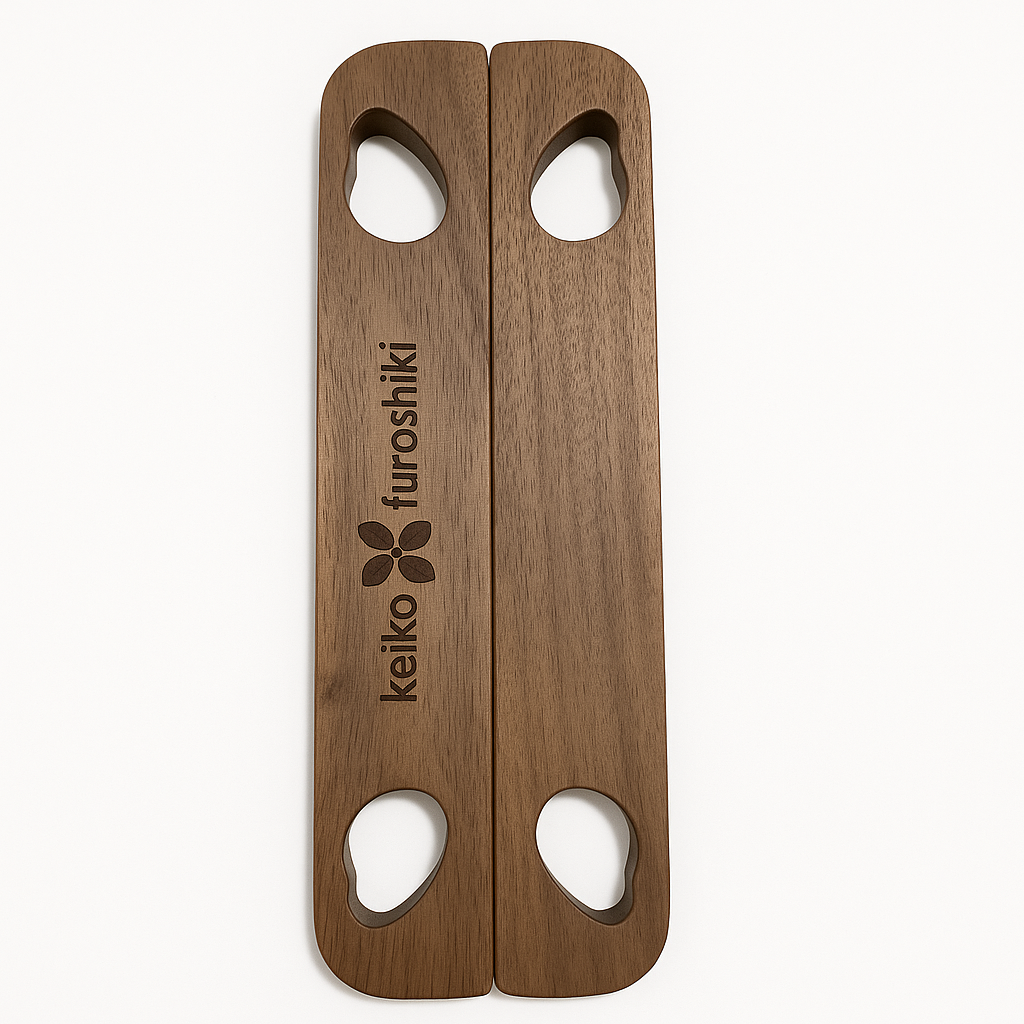
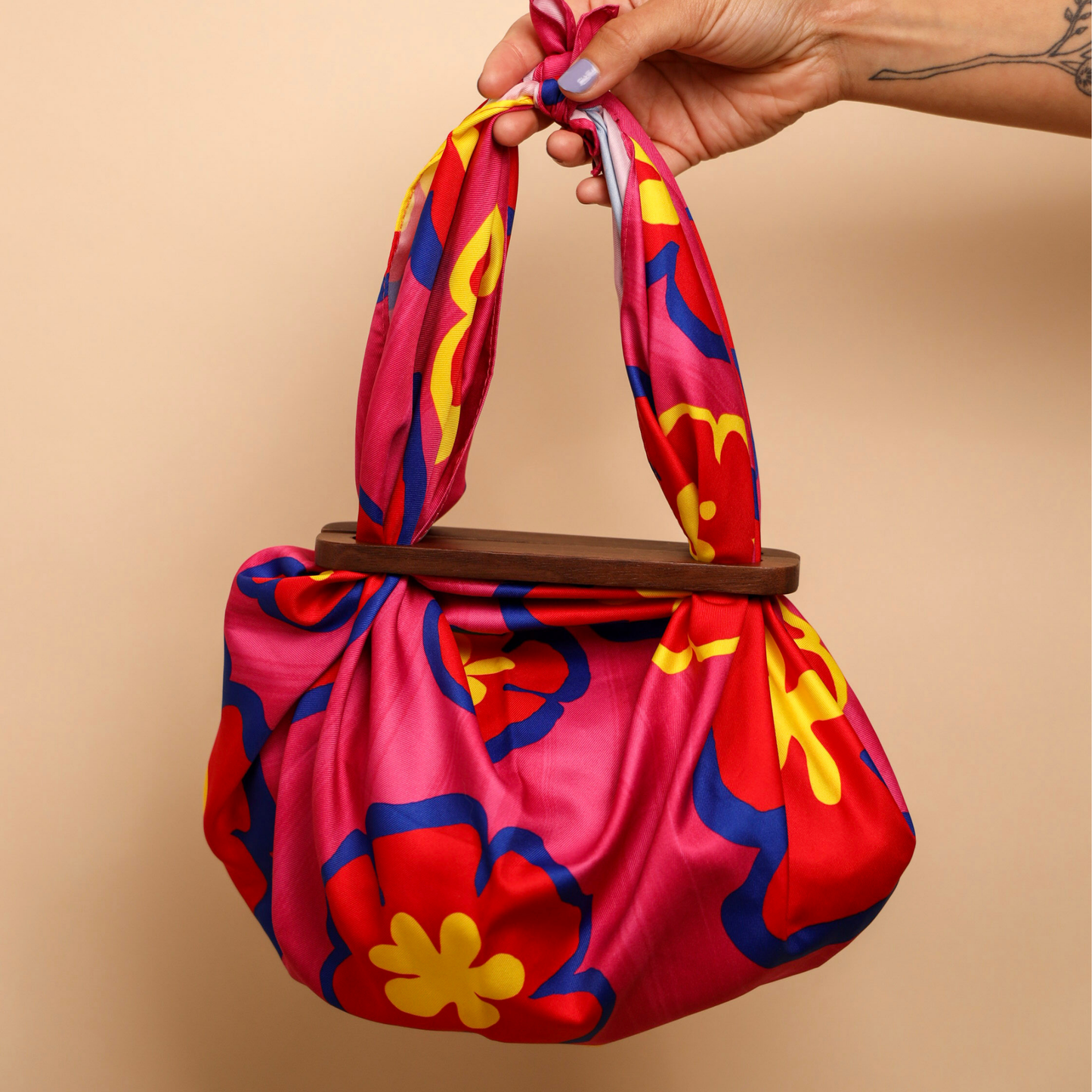
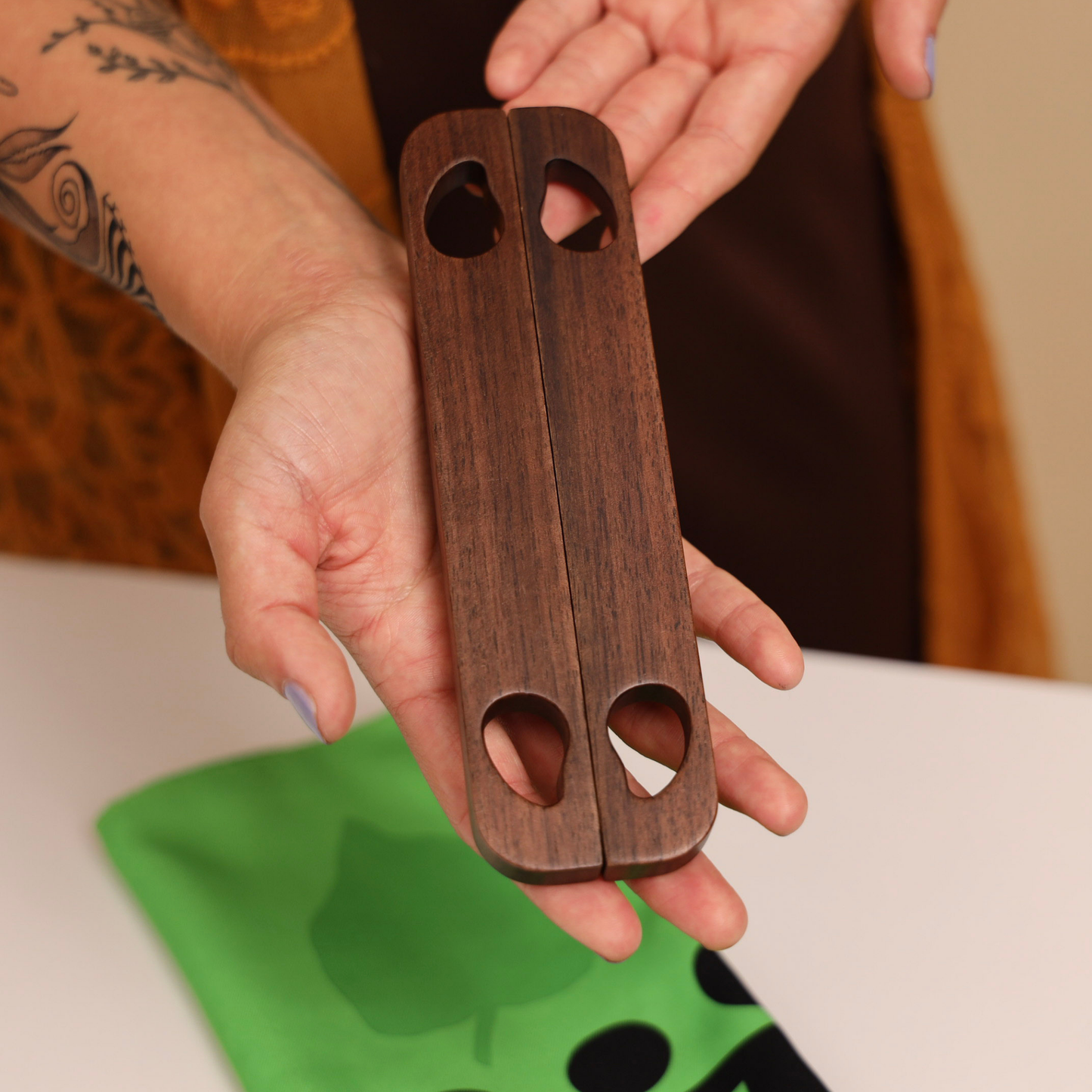
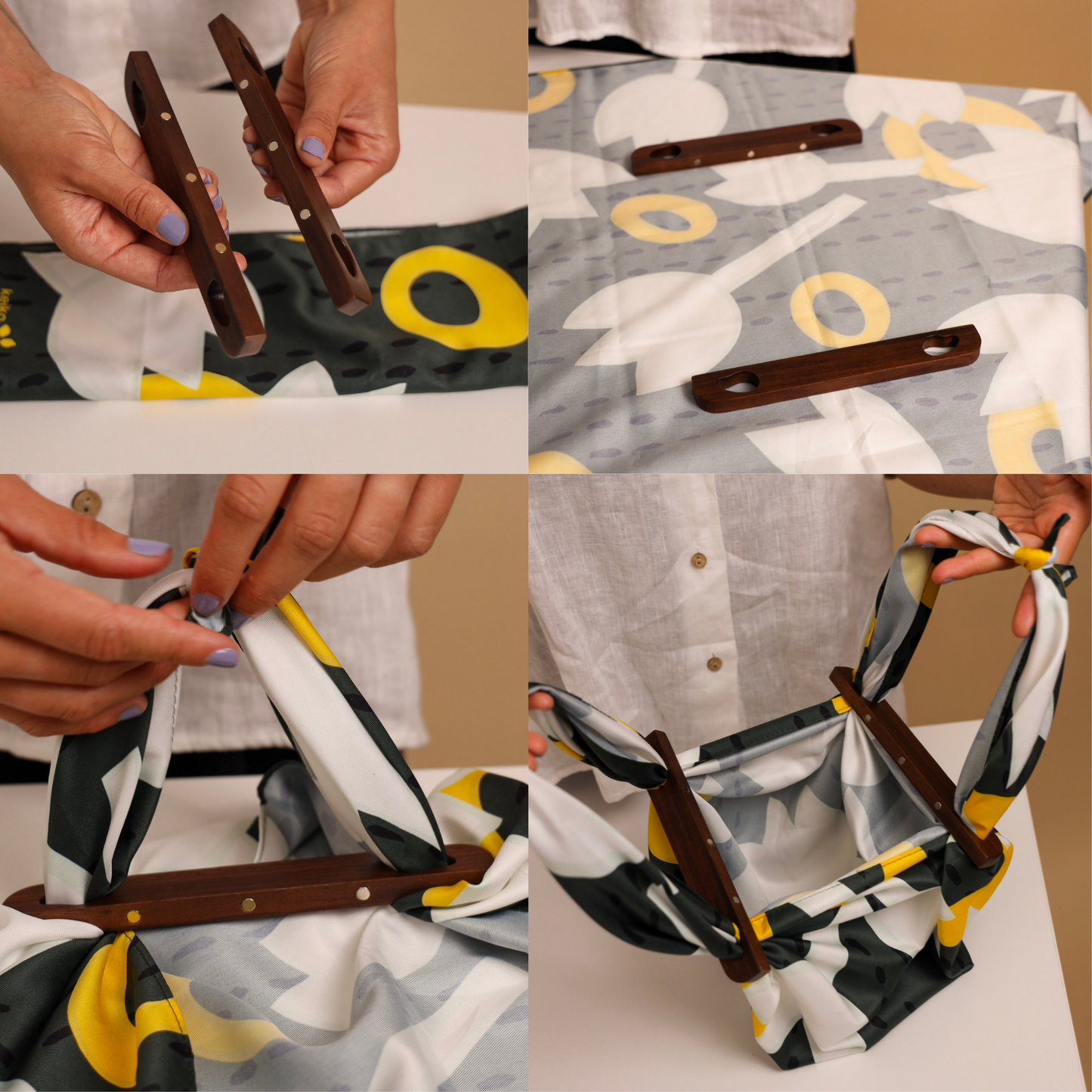
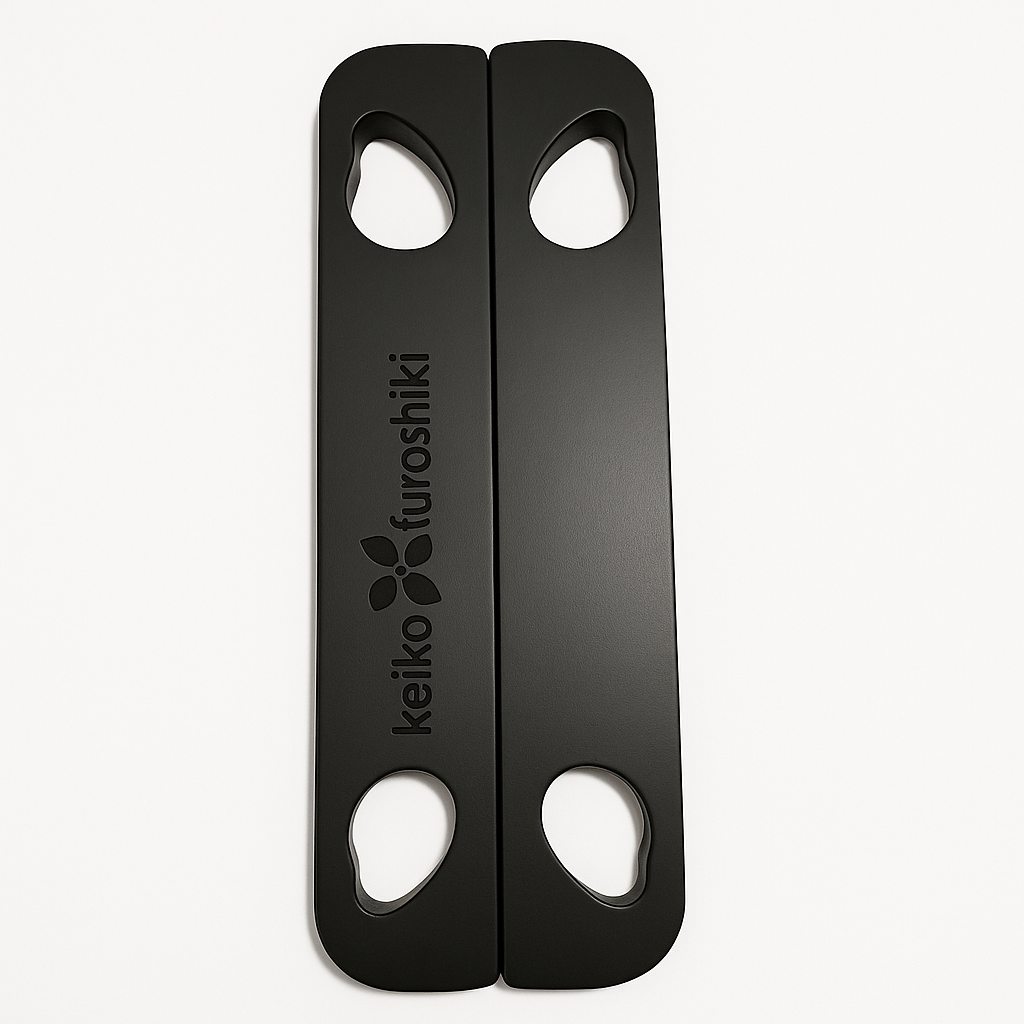
The patchin (sometimes spelled pacchin or bachin) is a traditional Japanese bag handle made from two pieces of flat wood. It has cut-outs at each end—often round or oval-shaped—that allow the corners of a cloth, usually a furoshiki, to be threaded through. Once the fabric is tied and threaded, the patchin functions like a set of handles or as a clasp to keep a bag shut, instantly transforming the cloth into a stylish and portable bag.
In a culture where items were reused and carried in creative ways, the patchin was a smart and adaptable solution. It allowed people to create a bag when they needed one—and take it apart when they didn’t. It was lightweight, reusable, and beautifully simple.

The Cultural Meaning Behind the Patchin
The patchin isn’t just a clever object—it’s a reflection of a broader Japanese philosophy: mottainai, which expresses regret over waste and a desire to use things fully. In this way, the patchin, like furoshiki itself, supports a mindset of flexibility, sustainability, and grace.
It was especially popular in earlier eras when resourcefulness was essential. Instead of sewing permanent bags, people could repurpose cloth they already owned into carrying vessels using a patchin. It's the very definition of "do more with less."
The Problem: Patchins Aren’t Easy to Find
Despite its brilliance, the patchin is not widely available outside Japan. Even within Japan, it has become something of a niche item, most often found in specialty shops, design museums, or cultural gift stores. As the furoshiki has gained popularity globally, many people have admired the patchin—but had no easy way to find one that fits their style or furoshiki.
That’s where we come in.

Meet the ToteBar: Our Take on the Patchin
At Keiko Furoshiki, we’ve always been inspired by Japanese design principles and craftsmanship. So when we asked ourselves how to make furoshiki more intuitive and useful for our customer base, we looked to tradition—and landed on the patchin.
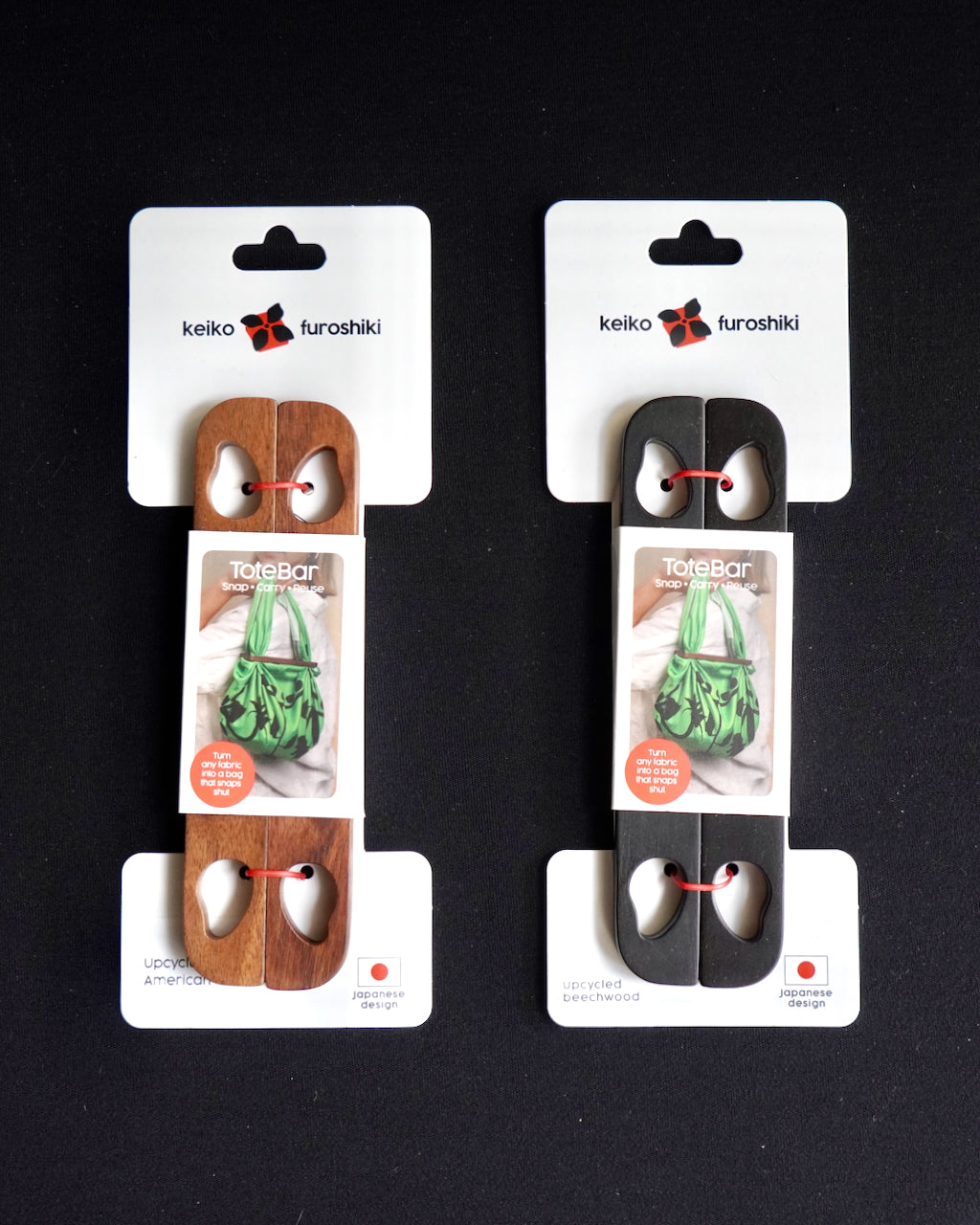
Our version, called the ToteBar, is a modernized, accessible, and sustainable take on this classic tool.
Here’s what makes it special:
-
Upcycled wood: We use repurposed wood for a low-waste, eco-conscious product
-
Elegant finishes: Choose between rich walnut or sleek matte black
-
Thoughtful design: Smooth curves, our signature petal used as the openings, engraved branding, and comfortable grip
-
Universal sizing: Designed to work with our standard 25x25” furoshiki or larger
By combining form and function, the ToteBar honors the legacy of the patchin while adapting it for a new generation of eco-conscious, design-minded users.
From Tradition to Trend
Just like the furoshiki, the patchin is finding new life in a modern context. Today’s users want tools that are:
-
Reusable and sustainable
-
Compact and lightweight
-
Beautiful and functional
-
Rooted in culture and storytelling
The ToteBar checks all those boxes. It’s not just a way to make a bag—it’s a way to express personal style, support sustainability, and carry tradition into everyday life.

Use It, Gift It, Reimagine It
Whether you’re a furoshiki enthusiast or someone just starting their zero-waste journey, the ToteBar offers something unique. You can pair it with a matching wrap, gift it to a friend who travels light, or keep one in your bag for spontaneous shopping trips. The combinations are endless—and always reversible.
We love that something so simple can bring so much beauty and practicality to the table. That’s what drew us to the patchin in the first place—and that’s what we hope to share through the ToteBar.
The patchin is a perfect example of how small, thoughtful design can have a big impact. By reviving this traditional Japanese accessory in the form of our ToteBar, we’re inviting you to explore a new way to carry what you love—with beauty, purpose, and tradition in your hands.
The ToteBar is available now in limited quantities. Shop it here, and bring home a piece of modern Japanese heritage.